
First identify the event and plot
When plants develop unevenly or some crops die, the first impulse may be to name a cause immediately. For subsequent examination, it is more useful to start with observations: the plot location, when changes were noticed, the crop and growth stage, and the appearance of the damage boundary. Record separately what you saw personally and what workers told you. This preserves initial facts regardless of which explanation is ultimately supported.
Prepare a field map with fixed landmarks. Mark severely damaged zones, transitional strips and areas with relatively normal plant development. If satellite materials, machinery photographs or route data exist, preserve original files with dates. A coloured patch on a map requires checking on the ground: it does not independently establish disease or chemical exposure.
Photograph overall views and details
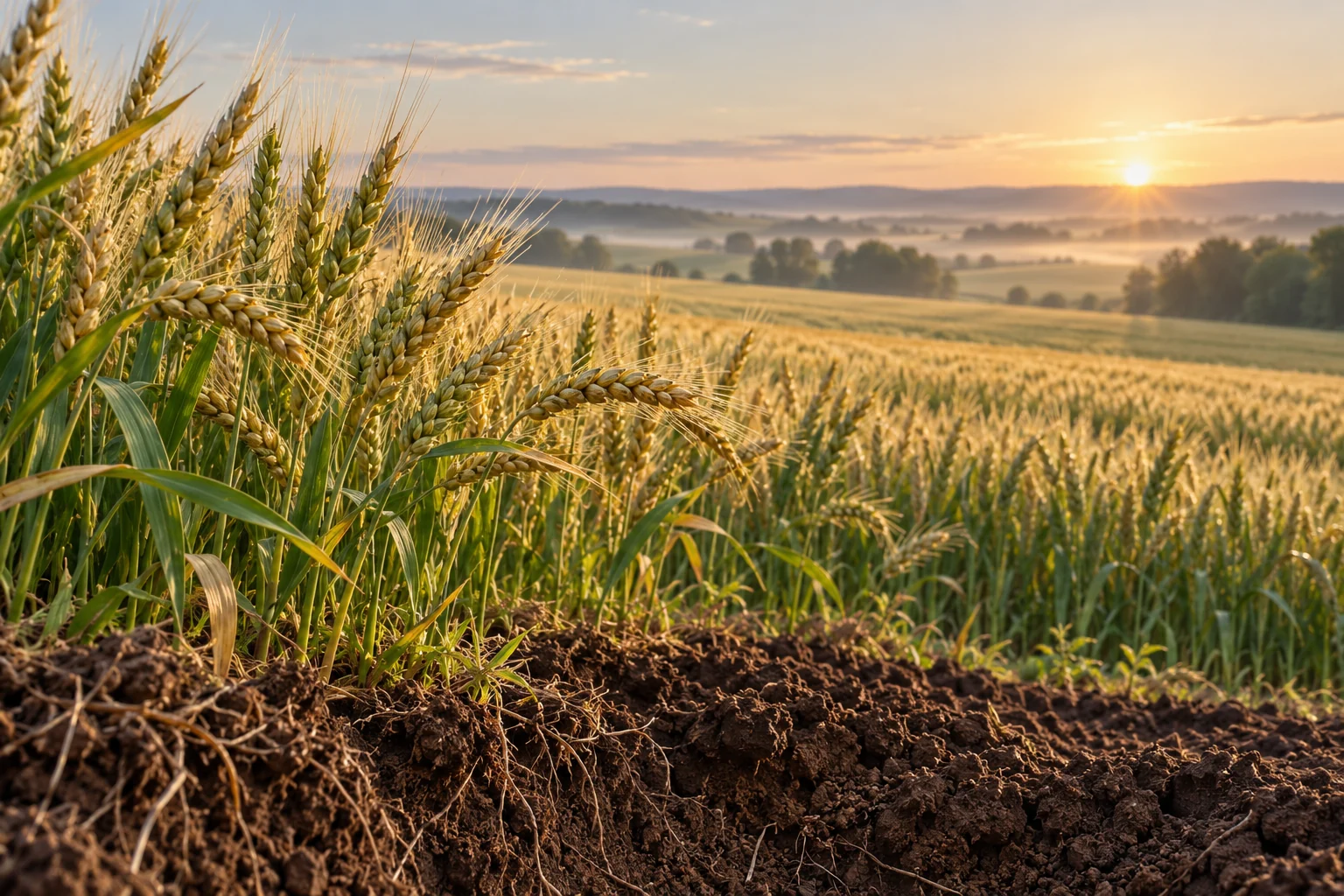
Take a sequence of photographs: an overall field view, the problem area's position, typical plants and individual signs on leaves, stems and roots. A scale and several angles help describe the size and extent of changes. For each set, identify the date, location and photographer. Do not limit photographs to the most damaged plant: the researcher also needs to know how typical it is of the plot.
Try to preserve photographs taken before further treatments, resowing and harvesting. If the field condition changes, repeat photography from the same points may show how the situation develops. Necessary agronomic measures must not be delayed for a future dispute. Document exactly what was done, when and on what grounds so the expert can consider subsequent interventions.
Gather the cultivation history
In a separate folder, place information about seed, sowing dates and rates, cultivation, fertiliser application, irrigation and plant protection products. Actual data are needed, not just a planned cultivation schedule. Distinguish a planned operation, confirmed performance and an assumption. If a contractor was involved, retain instructions, agreed changes and completion records together with available machinery work logs.
Seasonal conditions also matter for causal analysis: rainfall, frost, heat, flooding and neighbouring plot conditions. A neighbouring field can be a useful comparison, but only with differences in variety, soil, preceding crop and cultivation practices considered. Previous harvest information provides context; it is not ready-made proof of what yield should have been obtained this year.
Agree the inspection and questions
A randomly collected bag of plants or soil mixed from different zones can make analysis difficult. Before sampling, clarify which samples are needed, how points should be identified, what the sampling record should include and where materials should be sent. Different explanations may require different examinations. A laboratory result does not remove the question of whether the sample represents the area or lot in dispute.
A useful brief is framed through verifiable circumstances: the damaged area, signs found, causes consistent with the data and what remains to be checked. Separate a question about physical yield shortfall from a monetary claim. The final preparation must allow the path from the plot and documents to each conclusion to be reconstructed, while identifying information still insufficient for an answer.